
ActualitésVivez, au jour le jour, l'impact de nos actions...
-
Newsletter enda inter-arabe des mois de janvier et février 2024
19 avril 2024Newsletter -
Ambassadeurs enda pour la promotion de l’esprit entrepreneurial … enda inter-arabe passe le relais aux universitaires
11 mars 2024entrepreunariat -
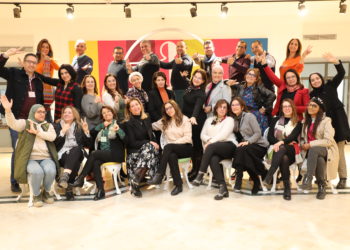
La famille Enda, unie pour un avenir inclusif et durable !
3 mars 2024Retraite Stratégique -
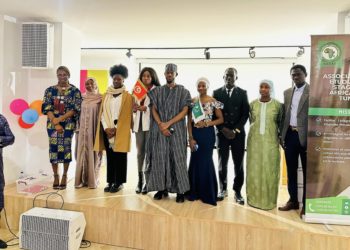
L’AESAT accueillie à enda inter-arabe pour fêter ses 30 ans et élire son nouveau bureau
27 février 2024entrepreunariat -
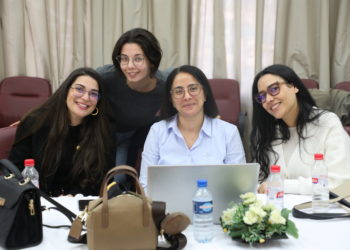
Atelier national pour l’intégration de l’éducation sociale et financière du programme « Aflatoun » dans les programmes scolaires du 5 au 7 février 2024
21 février 2024Aflatoun, Education -
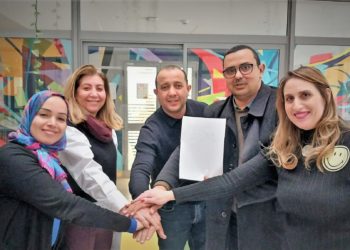
L’Université de Tunis El Manar renforce son partenariat avec enda inter-arabe: L’étudiant entrepreneur au cœur de l’action
16 janvier 2024entrepreunariat, Etudiant-preneur -

La 2eme Edition du marché citoyen et solidaire « Souk El Kahina » du 19 au 22 décembre avec + de 100 artisans et petits producteurs
13 décembre 2023 -

50 ans d’Enda Tiers-Monde : Essma Ben Hamida reçoit la Distinction de l’Innovation
22 novembre 2023Distinction
Réussissez vos projets avec un accompagnement sur mesure…
et trouvez votre chemin vers le succès
Credo
Engagement envers les membres
Nous impliquons et accompagnons des personnes en situation de marginalisation ou vulnérables dans les processus de prise de décision pour les amener à défendre leurs intérêts et leurs droits, mieux gérer leurs projets et leurs ressources, améliorer leurs conditions de vie et agir en citoyens responsables.
Professionnalisme
Nous utilisons les connaissances et l’expérience de nos collaborateurs et partenaires dans chaque secteur d’intervention, ce qui nous permet de proposer des services et un accompagnement ciblés et en adéquation avec les besoins recensés.
Egalité de genre
Nous sommes convaincus que l’égalité des femmes et des hommes dans tous les domaines: politique, économique et social, est une condition d’un développement humain durable. Nous militons pour une société égalitaire à travers l’émancipation économique et sociale des femmes ainsi que le changement des mentalités et le renforcement de la responsabilité citoyenne.
Impartialité
Nous sommes indépendants de tout pouvoir religieux ou politique. Nous agissons en toute impartialité après une étude approfondie des besoins des populations sans considération d’appartenance identitaire.
Participation
Notre logique est fondée sur une approche participative amont-aval intégrant toutes les parties prenantes impliquées dans la conception, la mise en œuvre et l’évaluation des projets et ce, pour le déploiement d’un produit répondant au mieux aux attentes de la population cible.
Durabilité environnementale
Notre engagement envers les problématiques d’ordre environnemental fait partie de notre ADN, ce qui a motivé nos premières missions depuis la création.
Avec Enda, je développe mon idée, je réussis mon projet et je trouve mon chemin..